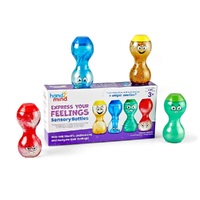
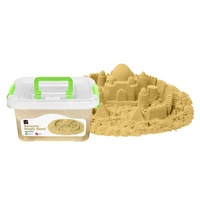
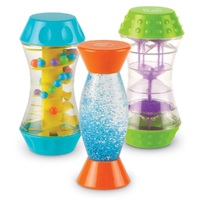
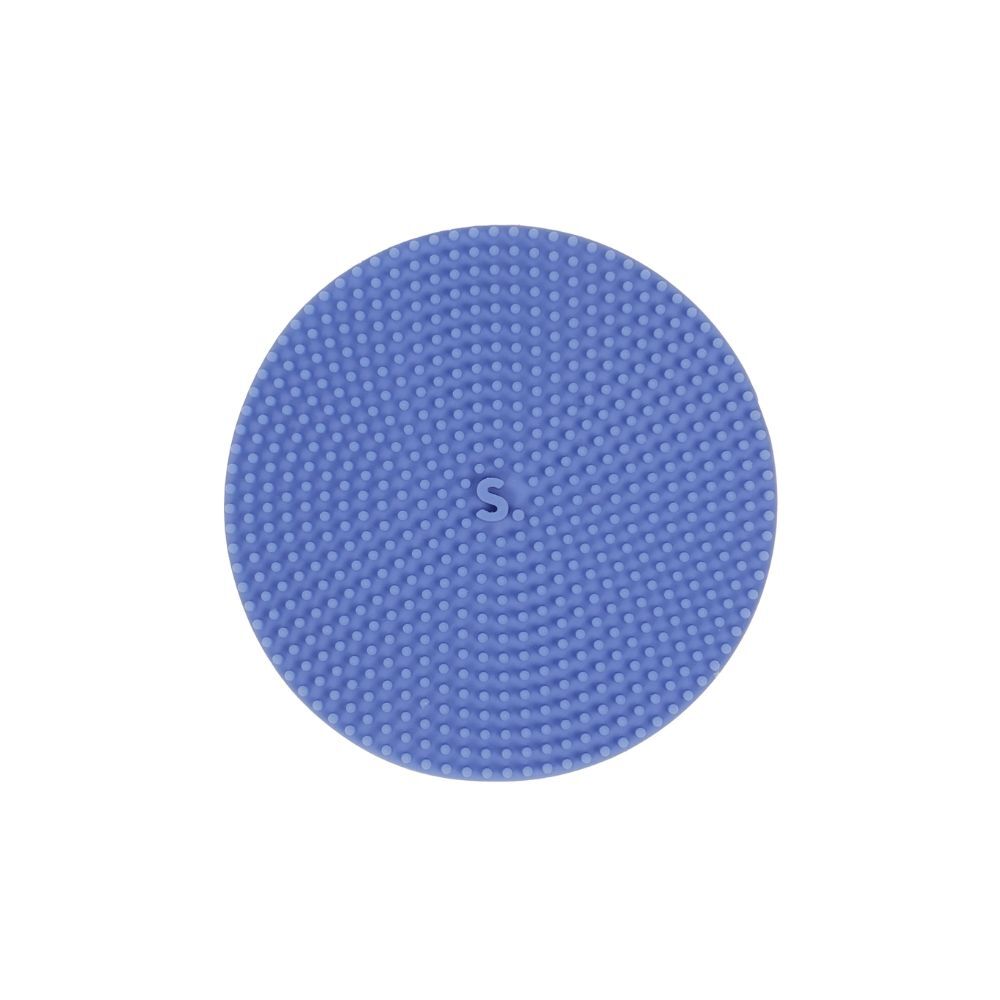
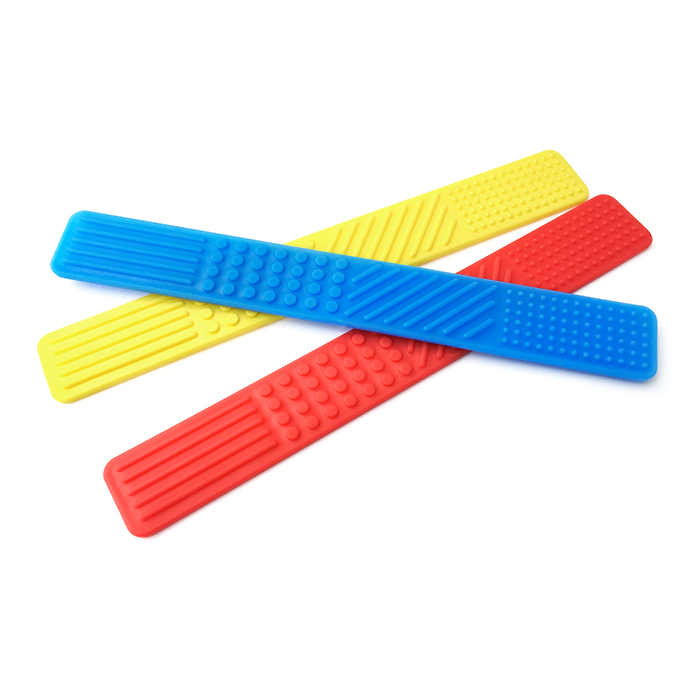
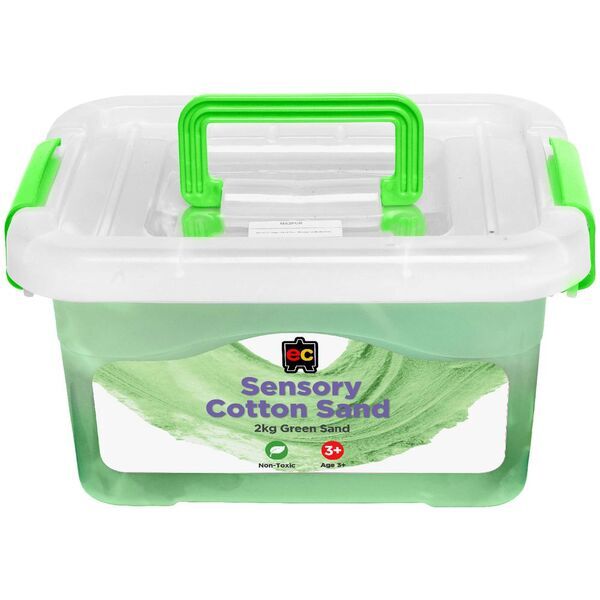
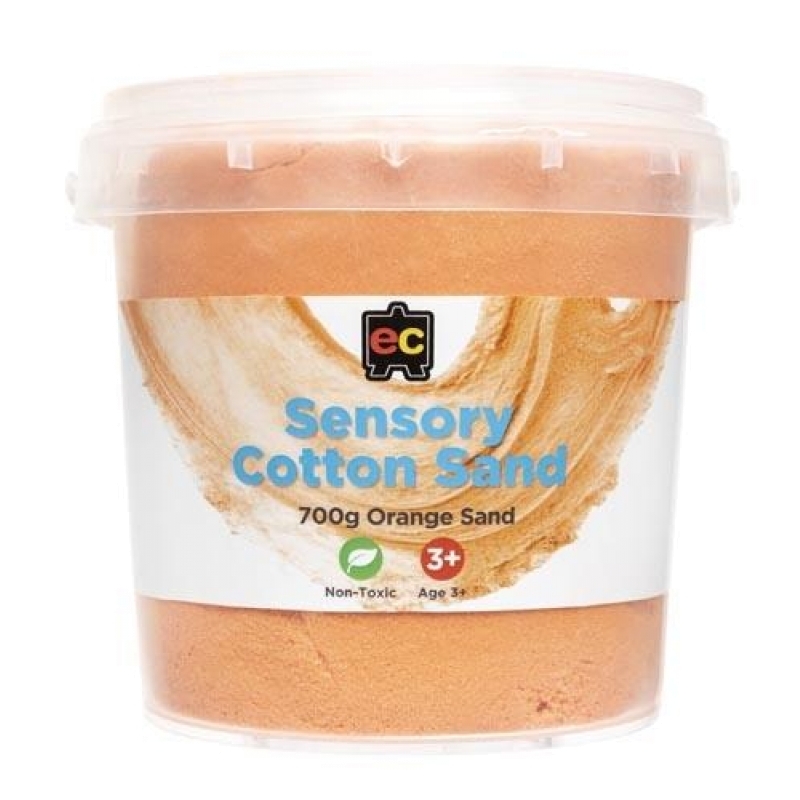
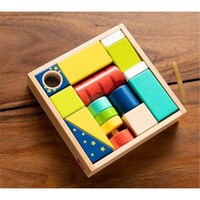
Sensory toys help children explore, calm, focus and self-regulate through touch, sight, sound, movement and pressure. The Therapy Store stocks a wide range of sensory toys and sensory items for home, classroom and therapy use, with options for children of
Sensory toys help children explore, calm, focus and self-regulate through touch, sight, sound, movement and pressure. The Therapy Store stocks a wide range of sensory toys and sensory items for home, classroom and therapy use, with options for children of all ages and sensory profiles.
Types of Sensory Toys
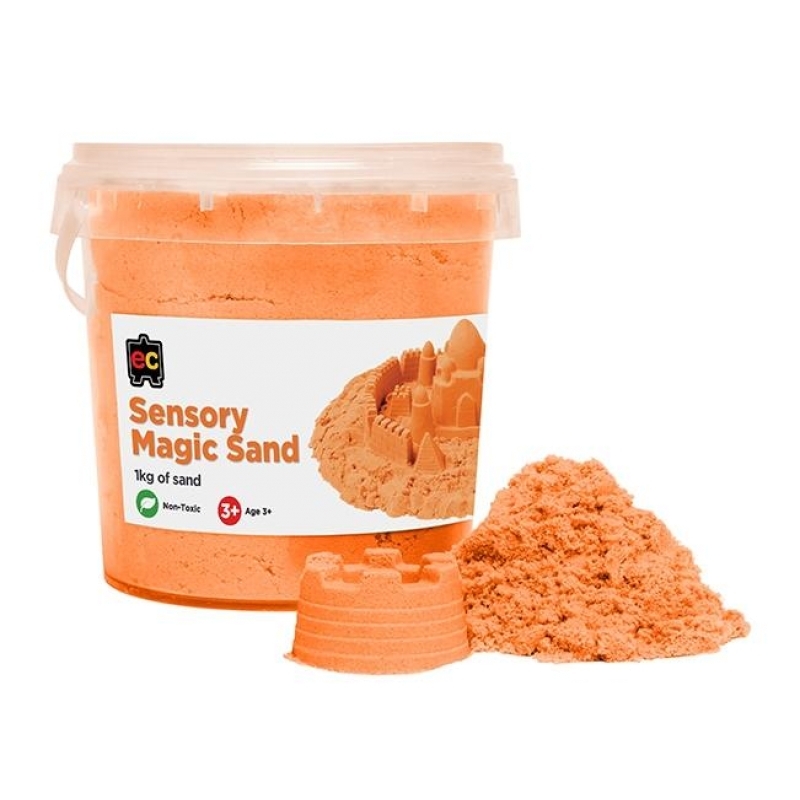
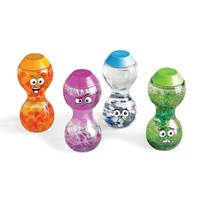
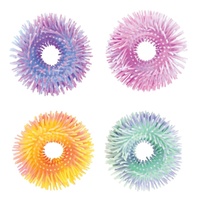
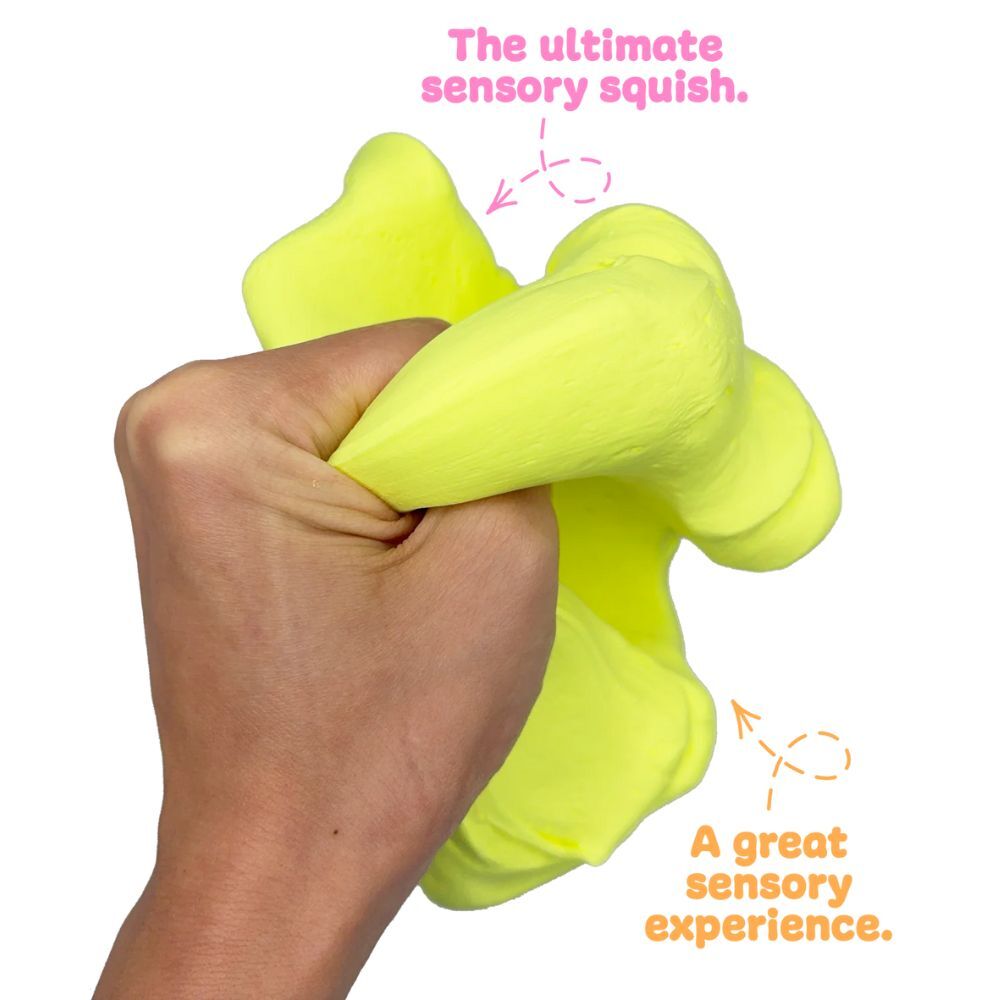
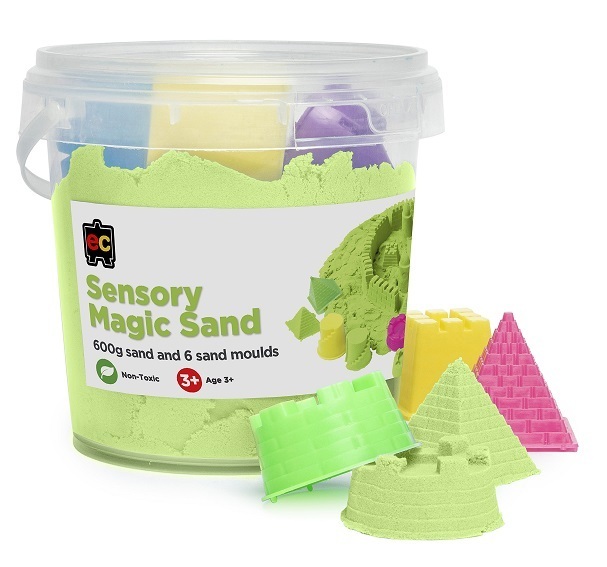
Sensory toys cover a broad range of formats. Categories at The Therapy Store include:
Each format targets a different sensory system, and many children benefit from a mix.
Who Uses Sensory Toys
Kids' sensory toys are used by:
- Parents and carers supporting children with sensory processing differences, autism, ADHD or anxiety
- Occupational therapists, speech pathologists and behavioural therapists
- Teachers and learning support staff in mainstream and special education classrooms
- Children and adults who benefit from sensory input for focus, calming or stress relief
Sensory toys are not limited to children with a diagnosed condition. Many of the same items are used by adults and in mainstream classrooms.
Choosing the Right Sensory Toy
The right sensory toy depends on:
- The sensory system the child is seeking input from (tactile, oral, vestibular, proprioceptive, visual or auditory)
- Whether the goal is calming, alerting or focus support
- Where the toy will be used (classroom, home, therapy or on the go)
- Age and safety considerations
If you're unsure, our team can recommend an appropriate item. Contact us with details about the child and the situation.
Sensory Toys and the NDIS
Sensory toys may be eligible for funding under an NDIS plan when they relate to a participant's disability and the goals in their plan. The Therapy Store is a registered NDIS provider with registration number 4050010554, and accepts self-managed, plan-managed and NDIA-managed orders. See our NDIS Orders page for full ordering instructions.
Frequently Asked Questions
What are sensory toys?
Sensory toys are items designed to provide input to one or more of the senses: touch, sight, sound, movement, pressure or oral input. Common types include fidget toys, chewables, weighted items, vibrating tools and visual or calming products. They are used by children with sensory processing differences, autism, ADHD or anxiety, and also by children and adults without a diagnosis who benefit from sensory input.
Where can I buy sensory toys in Australia?
The Therapy Store is an Australian sensory store that supplies sensory toys, sensory products and therapy equipment Australia-wide. We stock a wide range across multiple categories and brands, with options for home, school, therapy and NDIS use.
Are sensory toys only for children with autism?
No. Sensory toys are widely used by children with autism, ADHD, sensory processing differences or anxiety, but they are also used in mainstream classrooms, by adults, and by anyone who benefits from sensory input for focus, calming or self-regulation.
Are sensory toys NDIS-approved?
Sensory toys may be eligible for funding under an NDIS plan when they relate to a participant's disability and the goals in their plan. The Therapy Store is a registered NDIS provider and accepts self-managed, plan-managed, and NDIA-managed orders. Eligibility depends on your individual plan and support budget.
How do I choose the right sensory toy for my child?
The right sensory toy depends on what sensory input the child is seeking, what the goal is (calming, focus or alerting), and where it will be used. If you're unsure, our team can help recommend an option. If your child is working with an occupational therapist or speech pathologist, they can also advise on what to look for.
What's the difference between a sensory toy and a regular toy?
Sensory toys are designed specifically to provide input to one or more of the senses. A regular toy may provide entertainment, but is not built around a specific sensory function. Sensory toys are often used by therapists and educators as tools, not just play items.